
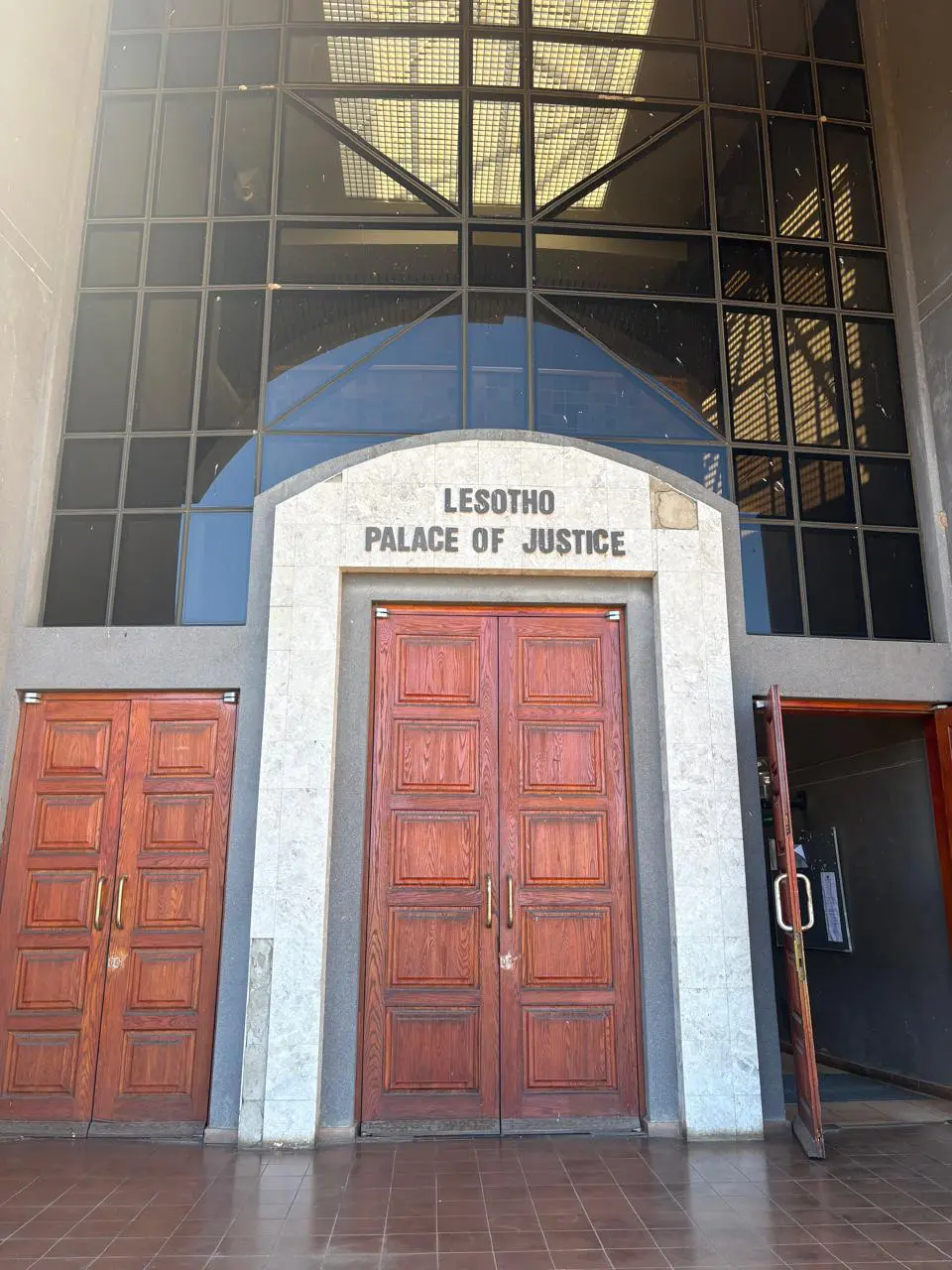
Maseru/Johannesburg, 17 November 2026 – Today, by agreement between the parties, the High Court of Lesotho ordered the Lesotho Highlands Development Authority (LHDA) to hand over the records that show the baseline information of affected communities by the Lesotho Highlands Water Project (Phase 1). In a case brought by Seinoli Legal Centre with the support of the Southern Africa Litigation Centre (SALC), the order ends a dispute that began on 28 March 2023, when Seinoli first asked for the information.
Seinoli Legal Centre and SALC welcome the order. In June 2023, the LHDA refused the request, saying the data on affected families had become its “intellectual property” and listed other reasons throughout the litigation as grounds for a complete refusal. Today, before the court, it agreed to hand over that data.
What the court ordered
The LHDA must give Seinoli six sets of records within 14 days, by 1 December 2026: the completed census and socio-economic survey data on everyone affected by the project; the land and asset inventories it holds; the disclosure forms that record how each household’s property was valued; the compensation value set for each type of asset; the compensation offers, signed agreements and grievance records; and an overview of the cash and in-kind compensation it has paid out.
To protect the privacy of affected people, names and other identifying details will be removed from the valuation forms and from the offers, agreements and grievance records. Maps and photographs that are not in the LHDA’s possession are excluded.
Why this matters
When Lesotho and South Africa signed the Treaty that created the Lesotho Highlands Water Project in 1986, they promised that people affected by the project would be left no worse off than before. The only way to check whether that promise has been kept is to compare what was recorded at the start (baseline information) with what happened next: who lived where, what they owned, how it was valued and what they received. Those are the records the LHDA has now agreed to hand over.
Until now, affected families have had no way to test the LHDA’s account of compensation against the evidence. The order matters beyond Phase I. Phase II, centred on Polihali Dam, is under way and is expected to begin delivering water to Gauteng in 2028 or 2029, and the families it affects will face the similar questions.
For Seinoli and SALC, the outcome makes a wider point. Information about people’s homes, land and livelihoods, collected by a public body in order to compensate them, cannot be withheld from them as though it were private property.
Adv. Lepeli Moeketsi, Programmes Manager, Seinoli Legal Centre, said:
“For more than three years, families who gave up their homes, fields and grazing land for this project have asked a simple question: were we paid what we were promised? Today’s order means that question will finally be answered with evidence rather than assurances. We will now go through these records with the communities, so that they can see for themselves whether the promise made to them in 1986 has been kept.”
Dr Atilla Kisla, International Justice Cluster Lead at the Southern Africa Litigation Centre, said:
“In 2023, the LHDA told these communities that the record of their own losses was its intellectual property. Today, it agreed to hand that record over. That is the right outcome, but it should not have taken a court case and more than 3 years to get here. The test now is simple: deliver the records in full and on time. If the promise of ‘no worse off’ has been kept, the numbers will show it. Forty years after the Treaty was signed, this matter finally delivers progress on the question that has always mattered most. “
The LHDA has until 1 December 2026 to hand over the records. Seinoli, together with SALC, will review them with the affected communities. The order obtainted today is significant as it sends an important message to communities and families in the region who were moved to make way for dams that baseline information can be requested to ascertain whether promises were kept.