
Botswana Guardian (13 February 2026)
*By Anna Mmolai-Chalmers
Botswana self-identifies as a democratic country, and, according to the Democracy Index, the indicators of democracy include, but are not limited to, political participation, civil liberties, good governance, and civil society engagement. To align themselves with these principles, politicians often include “democracy” in their party names, signalling commitment to these values. However, in practice, this purported democratic culture is not reflected in the statements made by political leaders.
The recent disparaging and minimising statements made by the politician, John Siele, from a former ruling party, the Botswana Democratic Party (BDP), about an indigenous group of people are one of the many examples of misalignment with democratic commitments. In early January 2026, at a political rally, John Siele made a denigrating statement about a political opponent’s ethnic background. Out of respect for the affected groups, I shall refrain from quoting the statement uttered by the politician, nor using the reference that the indigenous groups have long said they do not identify with. What is equally concerning is that the comment was received with a roar of laughter, but for the group that is targeted by this remark, it is not funny; it is yet another utterance layered with intolerance, a repeat of historical malicious stereotypes whose consequences undermine social equality through marginalisation and oppression. It is not just political theatre; it is hurtful and deepens divides and can likely lead to the targeted group experiencing more discrimination and violence.
This is occurring within a country whose democratic index is reportedly higher than that of most African countries. Politicians simply do not reflect the democratic principles that Botswana and their political parties identify with. Granted, the said politician and the party later, on hindsight, issued apologies to the nation. However, a political party and its members committed to the equality of a people would, in the first place, treat all ethnic groups equally and not marginalise or reduce a people to mere comedy.
It is comforting that the public saw this for what it was meant to be – a continuation of unequal treatment of an ethnic group that is often mocked, ridiculed, discriminated against and oppressed. The public acted accordingly, they called out the injustice, the discrimination and the oppression of the indigenous people. By noticing and calling out utterances that incite negative attitudes towards fellow citizens. By so doing, the public was defending a democratic principle.
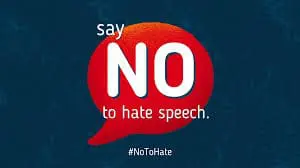
With that being said, it is high time the public, individuals and activists go further and take action against members of parliament who utter harmful and hateful statements directed at citizens or individuals based on their race, gender, sexual orientation, age and all other attributes, because such speech is not only illegal, but also undemocratic.
Parliamentarians and political leaders who incite hate, whether inside or outside Parliament, must be held accountable because they are a threat to our democracy. How politicians talk affects how people behave, and what public figures say can bring people together or divide them. I challenge political parties to act decisively against their members who spread discrimination and hatred against any group of people, and for that action to go beyond a written apology, but tangible efforts to educate their candidates on the consequences of harmful political utterances and even encourage them to volunteer and spend time with the groups that they have insulted and offended to learn their ways and think twice next time they want to utter offensive words. I am sure NGOs advocating for indigenous people’s rights remain available to provide the needed awareness.
*Anna Mmolai-Chalmers is a consultant at the Southern Africa Litigation Centre and a human rights activist.