
The Nation (19 June 2026)
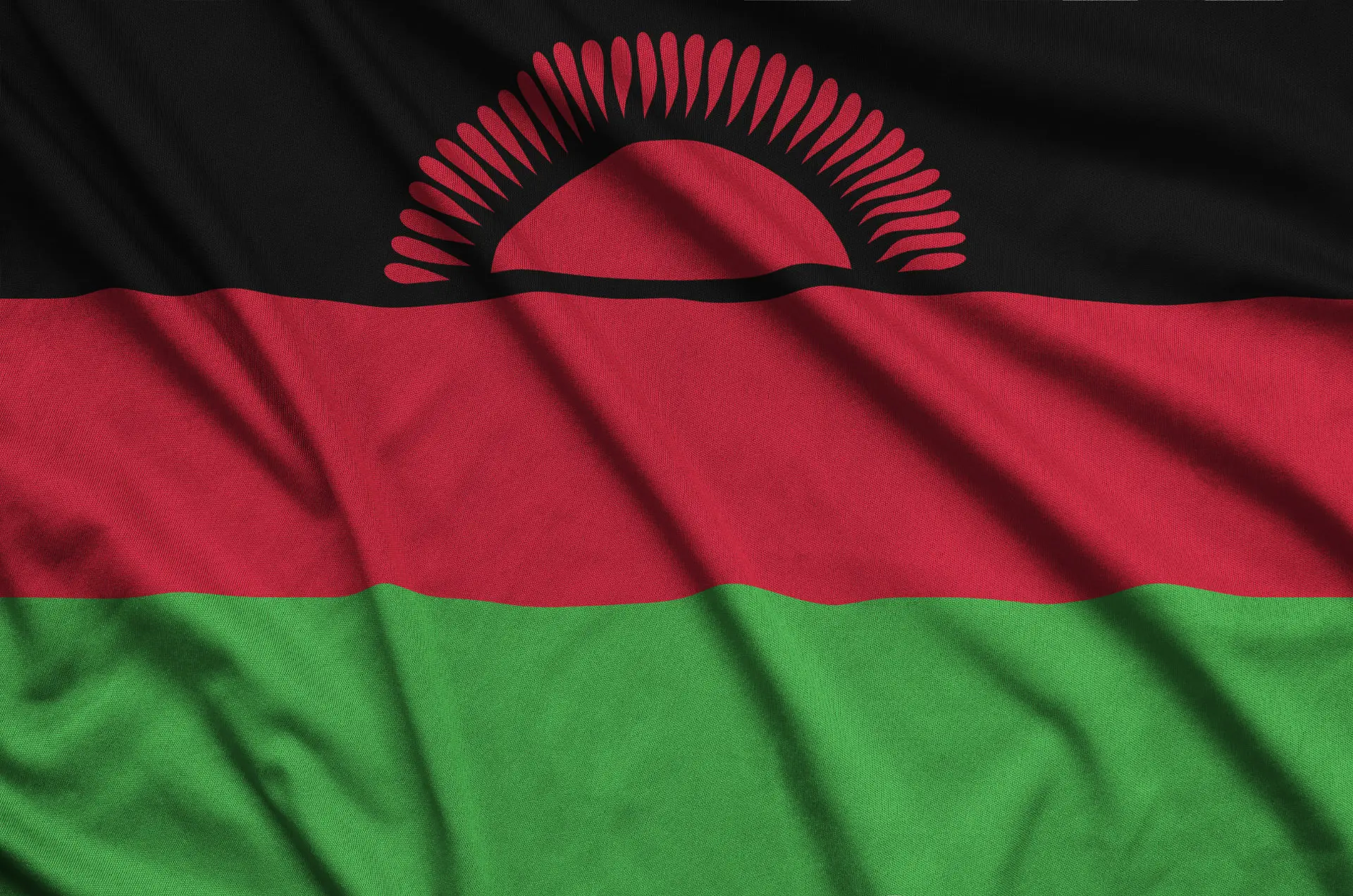
Recent xenophobic attacks in South Africa have once again forced Africa to confront a painful question about who we are and how we treat one another. The violence has affected many foreign nationals, including Malawians who left home in search of work, education, safety, or opportunity. These incidents deserve unequivocal condemnation. No person should be attacked, threatened, or humiliated because of their nationality. Yet beyond condemning the violence, we must also reflect on what these events reveal about our continent and our collective commitment to human dignity.
It is easy to view xenophobia as a problem that belongs to South Africa alone. The images of looted shops, displaced families, and frightened migrants often dominate international headlines. However, xenophobia is not confined to one country. Across Africa, foreigners sometimes encounter suspicion, exclusion, and resentment. In some cases, they are blamed for economic hardships, unemployment, or social challenges. While such attitudes do not always erupt into violence, they reveal a deeper problem: the tendency to see outsiders as less deserving of protection, respect, and belonging.
The attacks in South Africa should therefore serve as a mirror for the rest of the continent. They invite all African nations, including Malawi, to examine how we treat those who come to our countries seeking refuge, opportunity, or a better future. Before pointing fingers elsewhere, we must ask whether our own attitudes and practices truly reflect the values we claim to uphold.
Malawi has long enjoyed a reputation for warmth and hospitality. Over the years, our country has hosted refugees and asylum seekers fleeing conflict and persecution in neighbouring states. Many people have found safety within our borders when they had nowhere else to turn. This generosity reflects an important part of our national character. Yet we must also acknowledge that Malawi is not immune to tensions involving foreigners. Public debates about foreign traders, refugees, and migrants occasionally reveal feelings of suspicion or resentment. Such attitudes may not always result in violence, but they remind us that the seeds of exclusion can exist in any society.
This is where the Malawian philosophy of umunthu becomes especially relevant. At its core, umunthu teaches that our humanity is bound up with the humanity of others. It is reflected in values of compassion, respect, solidarity, and concern for the wellbeing of fellow human beings. But umunthu is not merely about the collective; it is also about recognising the inherent dignity and worth of each individual person. Every person matters, not because they belong to a particular nation, community, or family, but because they are human.
Umunthu does not ask us to choose between the individual and the community. Rather, it reminds us that a community worthy of respect is one that respects the dignity of every individual within it, including the stranger. When viewed through this lens, xenophobia is fundamentally incompatible with umunthu. When we deny a foreigner dignity, security, or equal treatment because of their nationality, we deny the very humanity that umunthu calls upon us to recognise and protect.
This understanding also resonates with the principles of human rights. Refugees, asylum seekers, migrants, and foreign nationals do not lose their rights when they cross borders. Their right to life, dignity, security, and equal protection remains intact. These rights are not granted by nationality; they arise from our shared humanity. Governments therefore have both a moral and legal responsibility to ensure that every person within their borders is treated with dignity and fairness.
The challenge facing Africa is not unique. Around the world, migrants are often blamed for problems they did not create. Economic pressures, inequality, and political frustrations can easily be redirected towards vulnerable populations. Yet history teaches us that scapegoating foreigners never resolves the underlying causes of hardship. Instead, it deepens divisions and distracts societies from addressing the real issues.
Africa’s own history should inspire a different response. Many liberation movements survived because neighbouring countries welcomed those fleeing oppression. Millions of Africans have experienced displacement, exile, or migration at some point in their lives. Our shared history should cultivate empathy rather than hostility.
As we condemn xenophobic attacks in South Africa, we must also embrace a broader responsibility. We should strive to build societies where every person is treated with dignity, whether they are citizens, refugees, migrants, or asylum seekers. The true measure of our values is not how we treat those who belong, but how we treat those who arrive as strangers.
The future of Africa depends not only on economic growth and political stability, but also on our willingness to recognise our shared humanity. If we genuinely believe in umunthu, Pan-African solidarity, and human dignity, then we must reject xenophobia in all its forms. The Africa we aspire to build is one where borders do not erase humanity and where every person can live in safety, respect, and hope.