
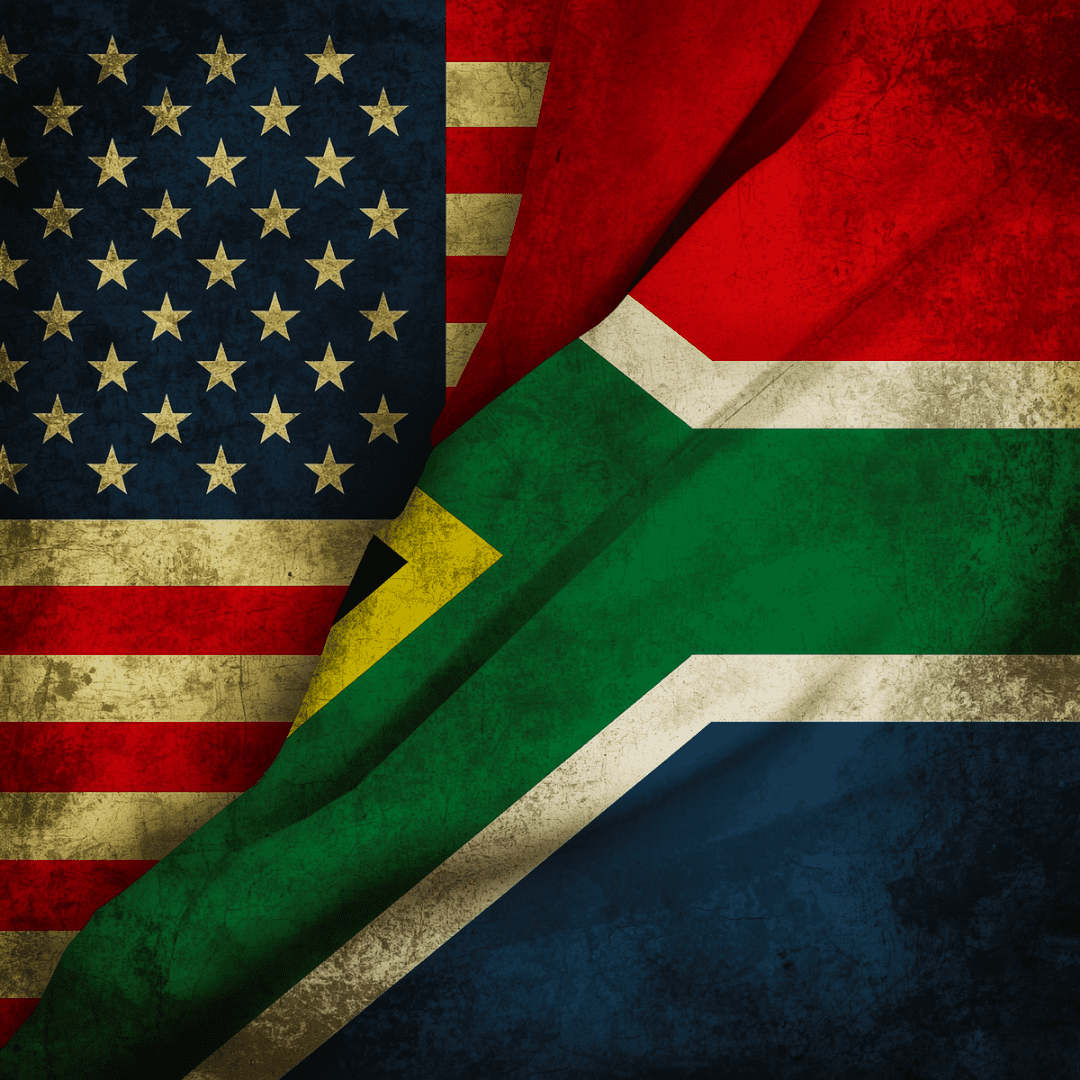
SALC OPENS CASE CHALLENGING ARMS TRADES FROM SOUTH AFRICA TO THE UNITED STATES OF AMERICA, CITING THE UNITED STATES AS A THREAT TO INTERNATIONAL PEACE AND SECURITY
Johannesburg, 3 June 2026 – Today, the Southern Africa Litigation Centre (SALC) filed an application in the North Gauteng High Court (Pretoria), seeking the suspension of permits facilitating the export of arms to the United States of America (United States). The application argues that the National Conventional Arms Control Committee (NCACC) ought to have suspended or cancelled such permits.
This litigation is the first of its kind seeking a suspension of arms to a country because it constitutes a threat to international peace and security. For the first time, a South African Court is asked to suspend and/or cancel permits facilitating arms exports to a permanent member of the UN Security Council. SALC’s application argues that, by continuing to authorise arms exports to the United States in the face of overwhelming evidence of aggression and systematic international law violations, the NCACC acts unlawfully and in breach of its statutory obligation to suspend or cancel such permits.
SALC’s Executive Director, Anneke Meerkotter, highlighted that:
“This case is not simply about South Africa’s arms exports – it is about whether any State can continue arming a government that has been condemned for aggression by the international community, and which deploys threats of war crimes and genocide as a matter of policy. The NCAC Act was crafted precisely to prevent South Africa from supporting such States. When the executive fails to apply its own law, when political will is absent, the courts must hold governments accountable.”
At a moment when multilateral institutions are under strain, and the rules-based international order is being tested as never before, SALC’s case underscores that the law must be implemented, even and especially when doing so might be uncomfortable or cut against strategic alliances. No profit can justify the human cost following such violations of international law.
Background
Factual analysis: SALC’s litigation is grounded in the extensive body of information and international law analysis relating to the following situations:
January 2025: U.S. lifts hold on arms exports to Israel
June 2025: Attacks on nuclear facilities in Iran
January 2026: Capture of the Venezuelan President and his wife
February 2026: Attacks on Iran
All the situations above resulted in accusations of international law violations, such as complicity in genocide, violation of Article 2(4) of the UN Charter, committing the crime of aggression and war crimes. Taken together, these violations create a pattern of escalation and constitute an ongoing threat to international peace and security, a threshold that triggers the NCACC’s obligation to suspend arms export permits under the NCAC Act.
The latest reports from the NCACC indicate that South Africa exported arms to the United States throughout 2025, totalling just over R279 million. Numerous requests by SALC and its legal representatives to suspend/cancel such permits, or to enquire whether the government intends to make a decision in that regard, have gone unanswered.
Regulatory Framework: The NCACC is the statutory gatekeeper of South Africa’s arms exports, established under the National Conventional Arms Control Act. It consists of various Ministers and Deputy Ministers, such as the Minister in the Presidency (Chairperson), Minister of Foreign Affairs or Minister of Defence. Before any South African arms company can export arms, it must obtain a permit. While the NCACC exists to prevent South Africa’s defence industry from slipping back into the shadows of the apartheid era, the practice of exports over the last few years paints a seriously concerning picture of arms exports to countries like Saudi Arabia, the UAE, or Myanmar.
Under section 14(3)(a) of the NCAC Act, the NCACC must “cancel, amend or suspend the permit if it is in the interest of maintaining and promoting international peace or avoiding repression and terrorism.”
The respondents in the case are the Chairperson of the NCACC, the Minister of Defence and the President.